Technology & Ressource Hub

ARTICLES

Introduction to a wide range of topics written by our engineers for a technically interested audience.

CASE STUDIES

A collection of case studies and market observations to help guide your decision path.

WHITE PAPERS

In-depth technical papers written by our team of experts and based on decades of experience.

CUSTOMER SUCCESS STORIES

Here, directly about challenges and solutions from the ones that matter the most, our customers!

Lens Customization- What You Need to Know

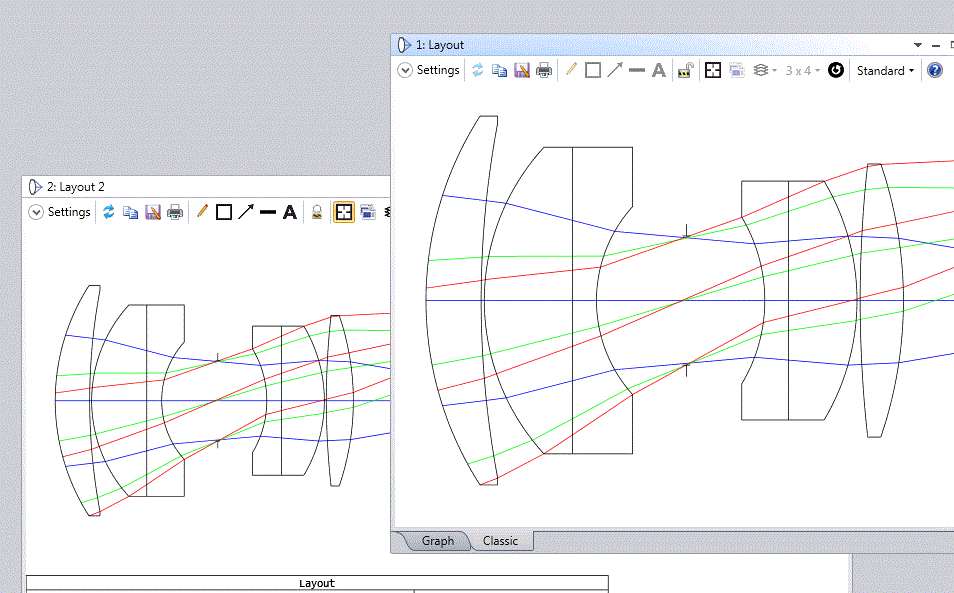
One of the questions we frequently get at Sunex is some variation of, “Can I modify a standard lens, and what does this entail?”

Boresight Stabilization™

Lenses designed with Boresight Stabilization™ can enhance survivability, reduce pointing error, and improve MTF stability.

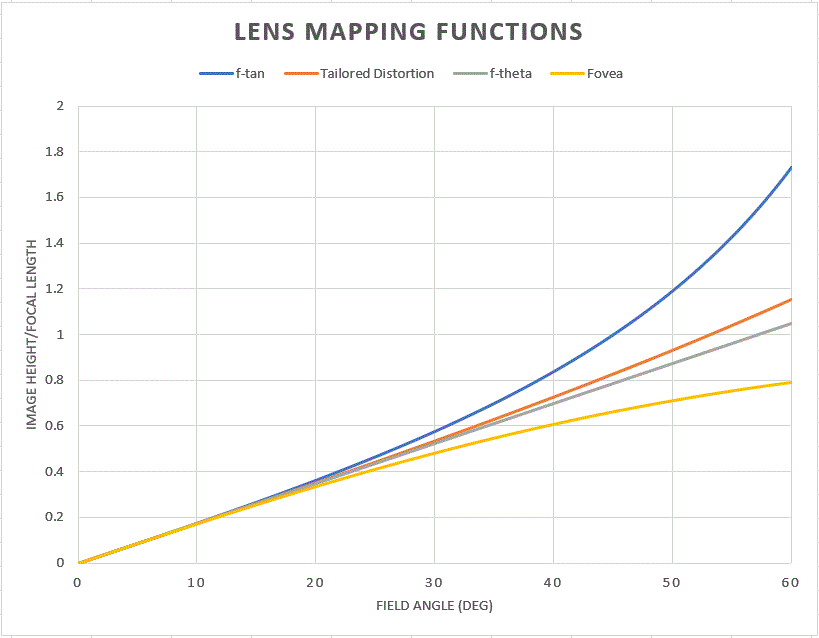
Lens mapping function and distortion

The concept of distortion describes how a lens maps a shape on the object plane to the image plane while assuming other aberrations are negligible.

The Advantages and Disadvantages of Stopping Down a Lens

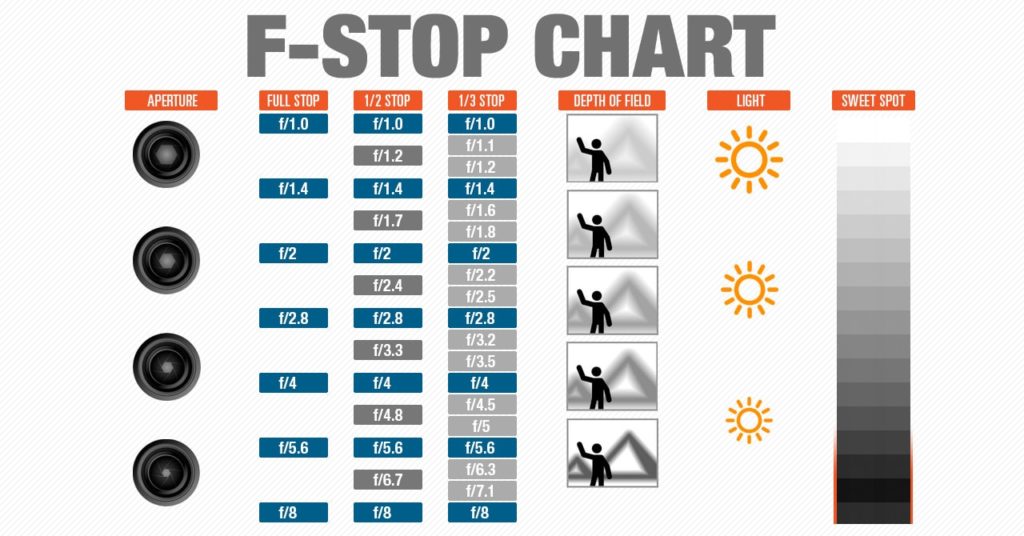
One modification that is commonly requested by our Customers is changing the F/# of a standard lens.

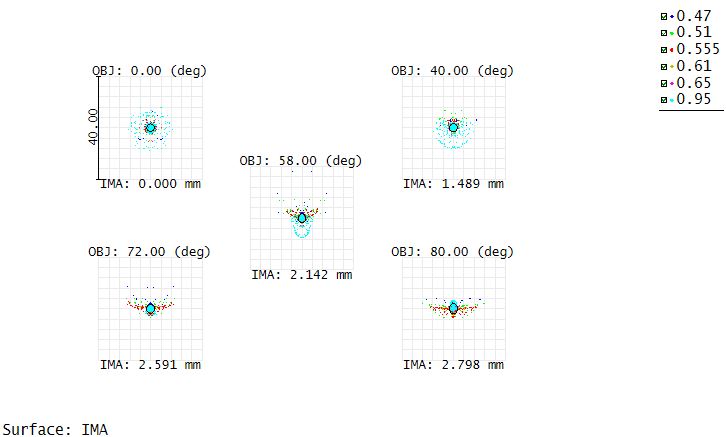
Tailored Distortion®: Distortion Correction at the Speed of Light

Tailored Distortion® is an innovation from Sunex to manipulate the distortion to achieve the best image quality in accordance with a client’s requirements:

When Does a Hyperspectral, or “Day-Night” Lens Make Sense?

A hyperspectral lens (also “Day-Night” or RGBIR) refers to a lens that has been optimized to maintain performance throughout the VIS and NIR bands.

Automotive Camera Trends Driving Changes in Optical Designs

The imaging applications in the automotive industry go through rapid changes.

“Scaling” as a lens design tool

"Scaling' refers to a method where a known lens design is proportionally enlarged or reduced geometrically to meet a different image size requirement.

Why is lens design so hard?

The difficulty arises primarily because of all the trade-offs involved in a lens design namespace constraint, performance targets, and cost.

What is Active Alignment?

The value of Active Alignment (AA) lies in compensating for sensor plane to image plane variance in up to 6-axis..

FOV Cone for Housing Design- Why the “Edge Ray Entrance Pupil” is Important

By definition, the entrance pupil of a system is the image of the aperture stop as seen from the object side of a lens system.

What is the operating temperature spec for a glass/plastic/hybrid lens?

The index of refraction is a function of temperature and nearly all optical systems experience some performance degradation over temperature.

NoGhost™ lenses reducing optical noise

The following comparison demonstrates the advantages of a NoGhost™ lens that is optimized to eliminate or minimize optical noise.

Optical Tolerances – Part 2

The modulation transfer function (MTF) is a quantitative measure of image quality describing the ability of a lens to transfer object contrast to the image.

Optical Tolerances – Part 1

Tolerance is a critical factor impacting the performance and cost of an optical system, hence optical components usually require much tighter tolerances.

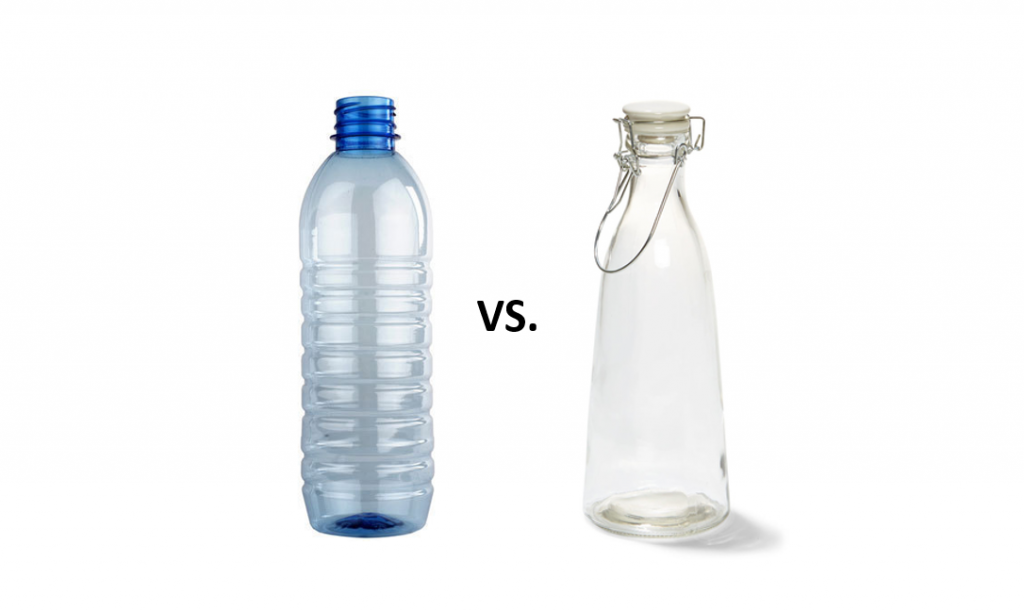
Plastic vs. Glass Optics

Glass and plastic optics each has its own unique advantages. The properties of glass materials are very different from those of plastic materials

Upcoming Event Alert!

Meet us at one of the upcoming medical shows.

MD&M West 2026 – booth #772
February 3-5, 2026,
in Anaheim, CA, USA.

WHX 2026 – booth #N39.F55
February 9-12, 2026,
in Dubai, UAE.

Days
Hours
Minutes
Seconds